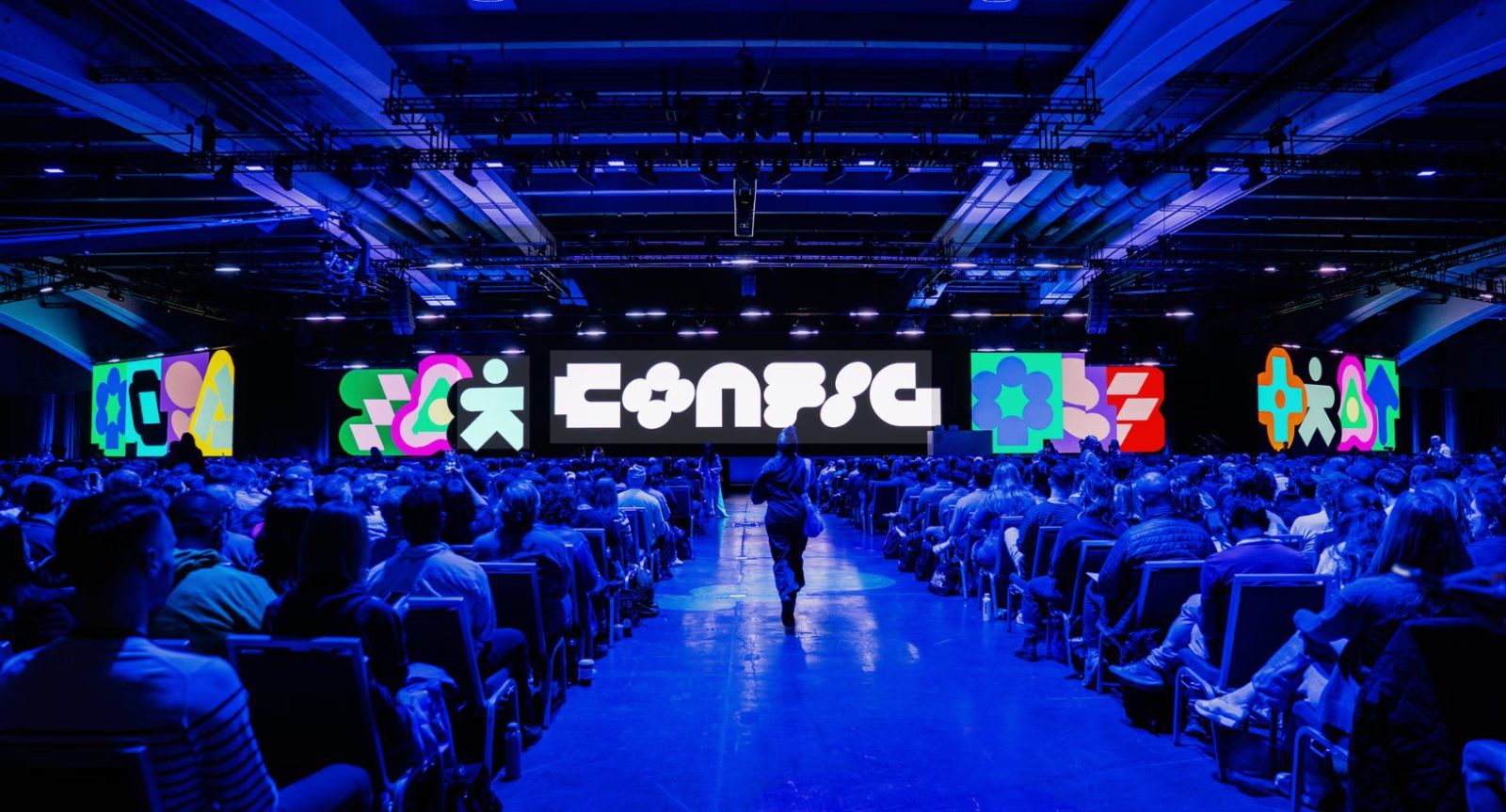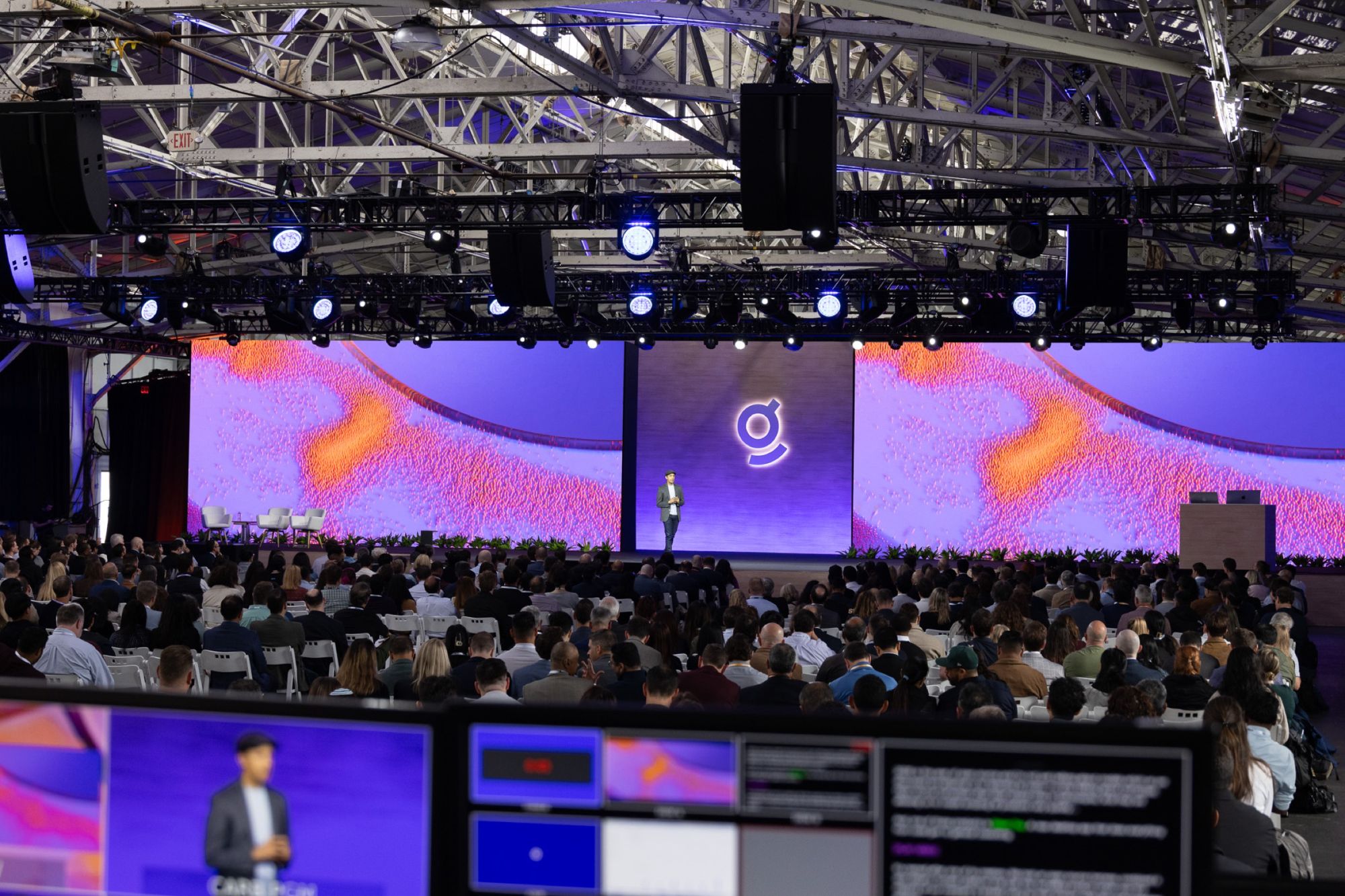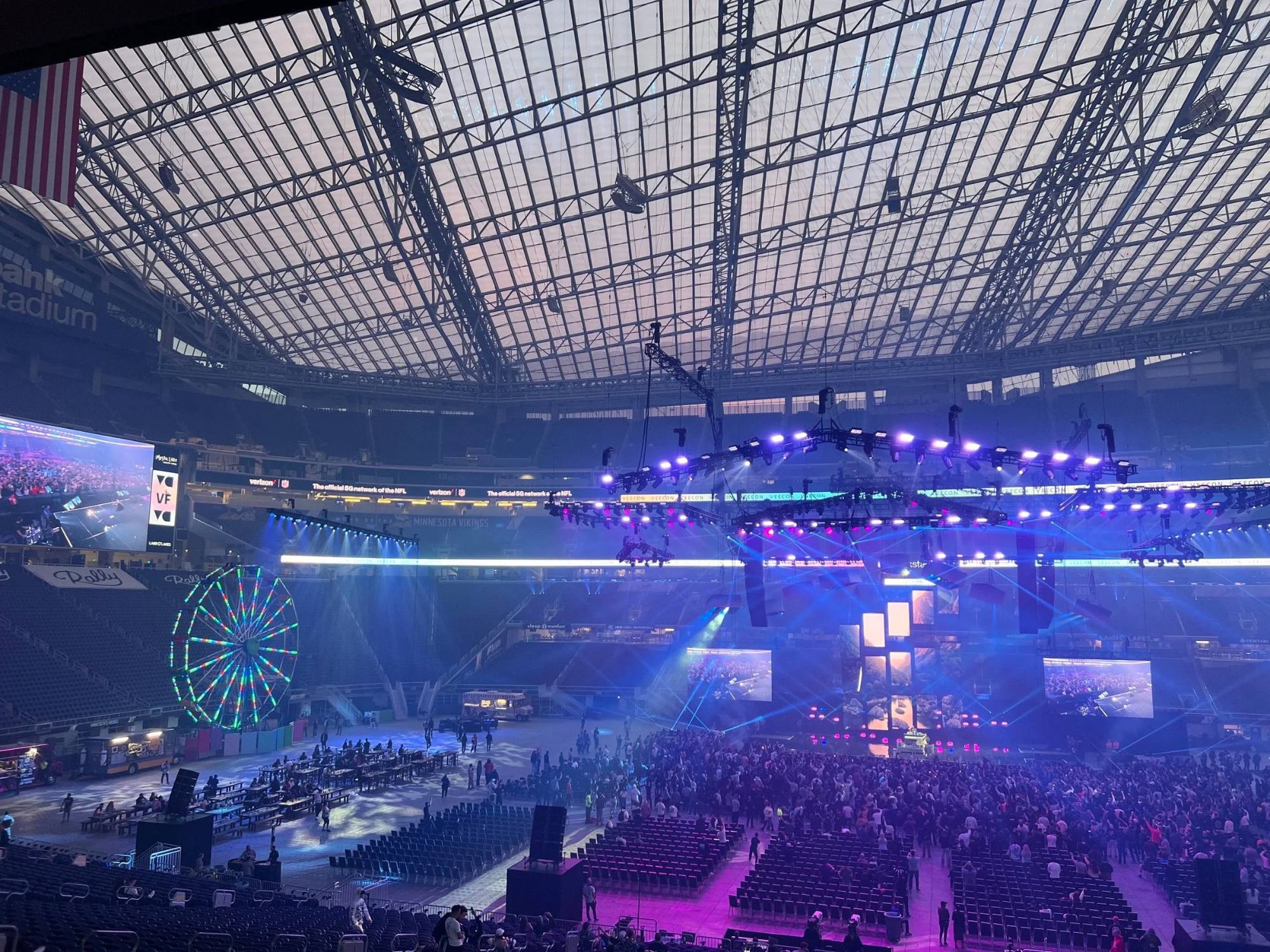
A first-year event has no history to budget from. Going into VeeCon, we knew three things: the potential for up to 10,000 attendees, sponsorship involvement, and filling US Bank Stadium with stages and activations. How many of each, nobody knew yet.
Here’s how we handled it.
Define the goals and the scope before you price anything
Even if it’s all built on assumptions. For all 48 weeks of planning, we kept several versions of the event running at once. We’d move activations around the stadium and reprice each one for its new spot. Little by little, the pieces fell into place, one approval at a time. The plan didn’t lock until about three weeks before load-in, and the budget stayed live the whole time.
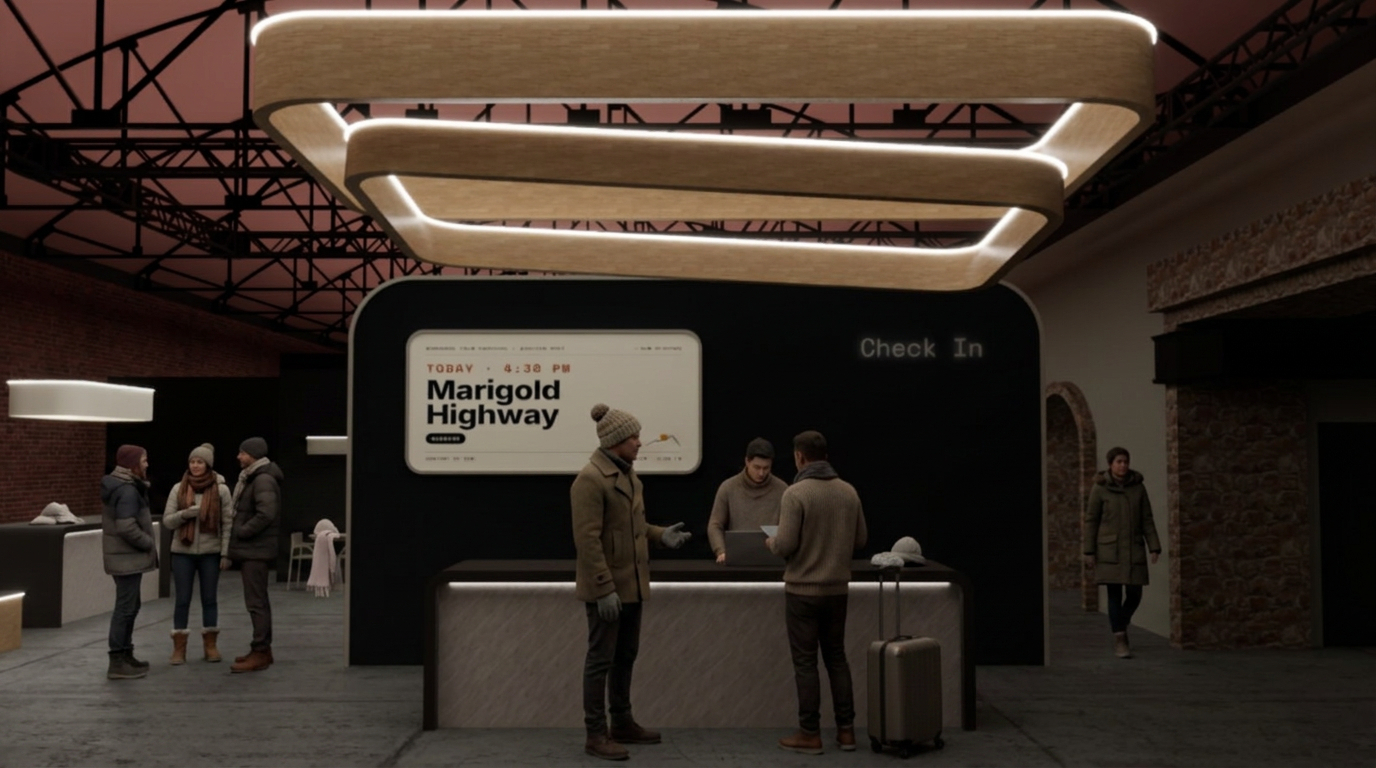
Build in 3D
The building decides what’s possible, so we modeled the stadium in 3D before designing a single stage. Everything after that was designed in the model and rendered often. The clearer the picture, the better clients and suppliers can do their jobs.
Build budgets on real quotes, often
Many wait to get quotes until a project feels “ready.” We get them early. Even the best estimate isn’t a guarantee, and a hard quote is only as good as the drawings, schedules and gear lists behind it. So we keep those accurate from day one. Early quotes give everyone dependable numbers and hold crew and gear before someone else books them. Our suppliers would rather price a few versions than get a last-minute call, and real numbers give everyone confidence.
Contingency is non-negotiable
Every show has surprises, and a first-year show this size has more than most. A set contingency, agreed up front, absorbs them without cutting the big moments or straining relationships.
What it added up to
More than 400 crew onsite, 37 vendors, and over $21 million in economic impact for Minneapolis. BizBash named VeeCon one of 2022’s Most Innovative Meetings.